Balanced comfort
A supportive feel that cushions pressure without swallowing you.
Emma mattress sleep your way, every night. Our clear, practical Emma Sleep review looks beyond the unboxing to the details that shape better rest: pressure relief, support, airflow, motion control, and everyday ease.
Independent content. This page is not affiliated with or endorsed by Emma Sleep. Availability and retailer terms may change.
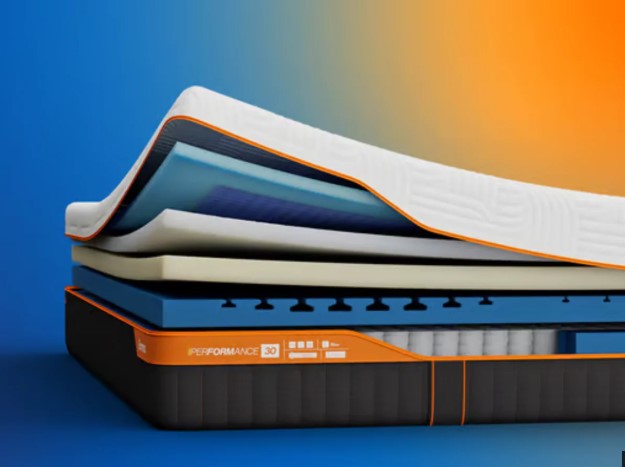
The comfortable truth
Shopping for a mattress can make a simple question feel surprisingly complicated. Is it soft enough for side sleeping? Will it keep a partner from waking when you turn? Does the surface feel supportive without becoming stiff? And, perhaps most importantly, will it still feel comfortable after the excitement of the first week fades?
That is where an Emma Sleep review becomes useful. Instead of focusing only on a first impression, this guide looks at the complete sleep experience. Emma mattresses are known for combining foam comfort with a structured support system, giving the bed a balanced character that sits between deep cushioning and a more buoyant, responsive feel. The result is intended to accommodate different sleep positions while keeping the body aligned and supported.
The appeal is easy to understand. A mattress with a pressure-relieving comfort layer can soften the feeling around shoulders and hips, while a supportive core helps prevent the midsection from sinking too far. That balance matters because a surface that is too firm can create pressure points, while one that is too soft may make changing positions harder. Emma’s layered approach aims to create a middle ground for people who want comfort with structure.
Of course, no review can promise that one mattress will be perfect for every sleeper. Comfort is personal. Height, weight distribution, sleeping position, room temperature, bed base, pillows, and even your preferred duvet all influence how a mattress feels. A thoughtful decision therefore starts with understanding your own habits, then comparing those habits with the construction and policies of the model you are considering.
Our overall takeaway is that Emma is most interesting for shoppers who want a polished, contemporary mattress design without choosing between pressure relief and support. The visual details, from the tailored cover to the distinct edge finish, also suggest attention to the parts of a mattress that are easy to overlook. Those details do not replace comfort testing, but they can contribute to a more complete ownership experience.
Look closer
The materials inside a mattress shape how it responds, breathes, and settles beneath you. These images help explain the practical design story.
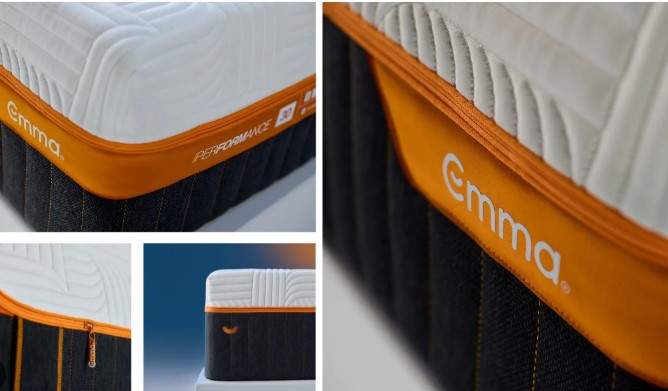
A considered finish
Textured upholstery and a defined border give the mattress a neat, finished profile.
Every layer has a role: softer comfort above, responsive support below, and a finished cover that brings the whole design together.
A supportive feel that cushions pressure without swallowing you.
Breathable layers help your sleep surface feel fresher through the night.
A considered construction for nightly use, changing seasons, and real homes.
How to choose well
Side sleepers often look for a gentle pressure response around the shoulder and hip. Back sleepers usually want stable support that keeps the lower back from feeling unsupported. Combination sleepers may prefer a responsive surface that makes turning easy. Couples should also consider movement transfer and whether both people enjoy the same firmness.
Think about your bedroom environment too. If you tend to sleep warm, look for breathable covers, open-cell foams, and construction that supports airflow. If you share a bed, edge support can make the usable sleep area feel larger. If you regularly sit on the edge to get dressed, a stable perimeter is more than a technical detail: it is part of daily comfort.
Finally, always read the current retailer information before ordering. Confirm delivery expectations, the home trial, returns process, warranty coverage, care instructions, and the correct size for your room. Good sleep shopping is not about rushing to a single answer. It is about choosing with enough information to feel confident.
The everyday test
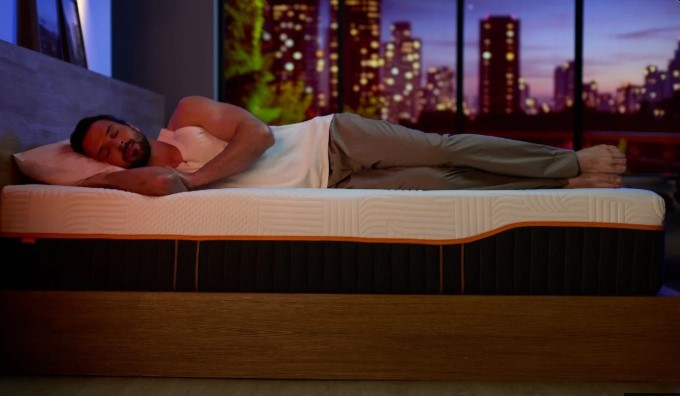
Comfort through the night
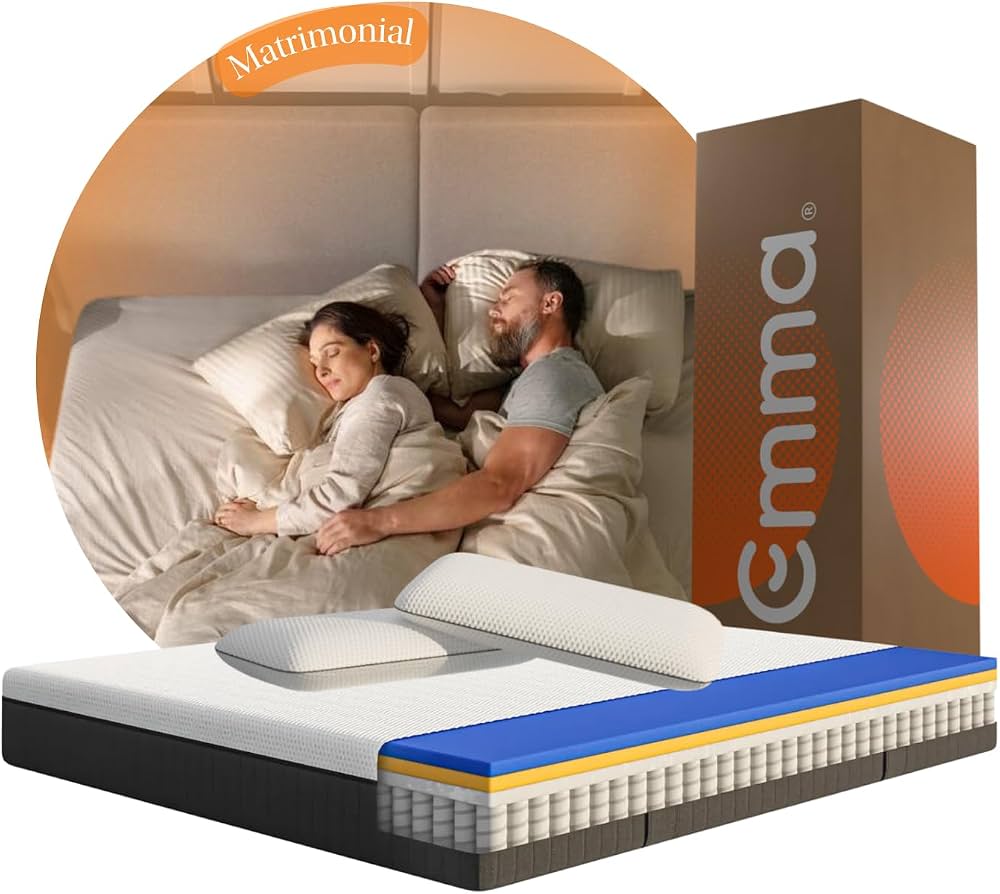
Space to sleep your way
The first thing many sleepers notice is the transition between lying down and settling in. A well-balanced mattress should feel welcoming immediately, but it should also give you a sense that your body is being held rather than simply cushioned. The Emma design shown in our images has a layered profile that communicates that balance visually: a softer top, a shaped comfort zone, and a deeper support structure beneath it.
Motion is another important part of a real-world review. Partners rarely move at exactly the same time, and small movements can become surprisingly disruptive when a mattress transfers energy across the surface. Foam comfort layers can help absorb some of that movement, while a stable base can keep the overall sleep surface feeling composed. If you share a bed, remember that your pillow height and bed frame can affect this experience too.
Edge support deserves attention because it changes how much of the surface feels usable. A defined perimeter can make it easier to sit down, stand up, or spread out without feeling as though you are rolling toward the edge. It also contributes to the shape of the mattress and the clean, tailored look visible in the close-up detail photograph. This is a practical feature, not just a visual flourish.
Temperature is equally personal. Some sleepers naturally run warm, while others prefer a cozier, more enveloping feel. Look for breathable textiles and a construction that does not trap heat unnecessarily, but also consider the rest of your sleep system. A heavy duvet, a waterproof protector, a wall-side bed position, and limited bedroom airflow may influence your experience as much as the mattress itself.
There is also the question of adjustment. Even a mattress that suits your needs can feel different from your previous bed during the first several nights. Your muscles and joints may be responding to a new support pattern, and your body may need time to understand the change. Use the full home-trial period responsibly, follow the care guidance, and assess how you feel in the morning rather than judging only the first ten minutes.
Ultimately, the strongest reason to consider Emma is the intention behind the complete system. It is designed for people who want comfort to be simple: a mattress that looks considered, supports the body across different positions, and fits into an everyday bedroom without demanding a complicated setup. If those priorities sound familiar, the next step is to compare the current model details and policies directly before making your decision.
Good questions deserve clear answers
No. This is an independent Emma Sleep review and buying guide created to help shoppers understand the design, feel, and practical considerations before visiting the linked retailer.
It can suit sleepers who want a modern hybrid feel: pressure relief from foam with a responsive, supportive base. Your preferred firmness, body shape, sleep position, and partner preferences should still guide your decision.
No mattress feels identical for every person. Give your body time to adjust, consider your usual sleep position, and check the retailer’s latest trial, delivery, and returns terms before ordering.
Compare support, motion control, edge stability, temperature, cover care, trial terms, warranty information, and independent feedback rather than relying on one feature or one review.
Ready for a closer look?
Take the next step with the retailer and review the latest product details, delivery information, and available purchase options.
Order onlineExternal destination: emma--sleep.com · Independent review content